Building Energy Management for Commercial Sites and Apartments
One Energy Platform for Your Existing Loads, with Smart EV Charging When You're Ready
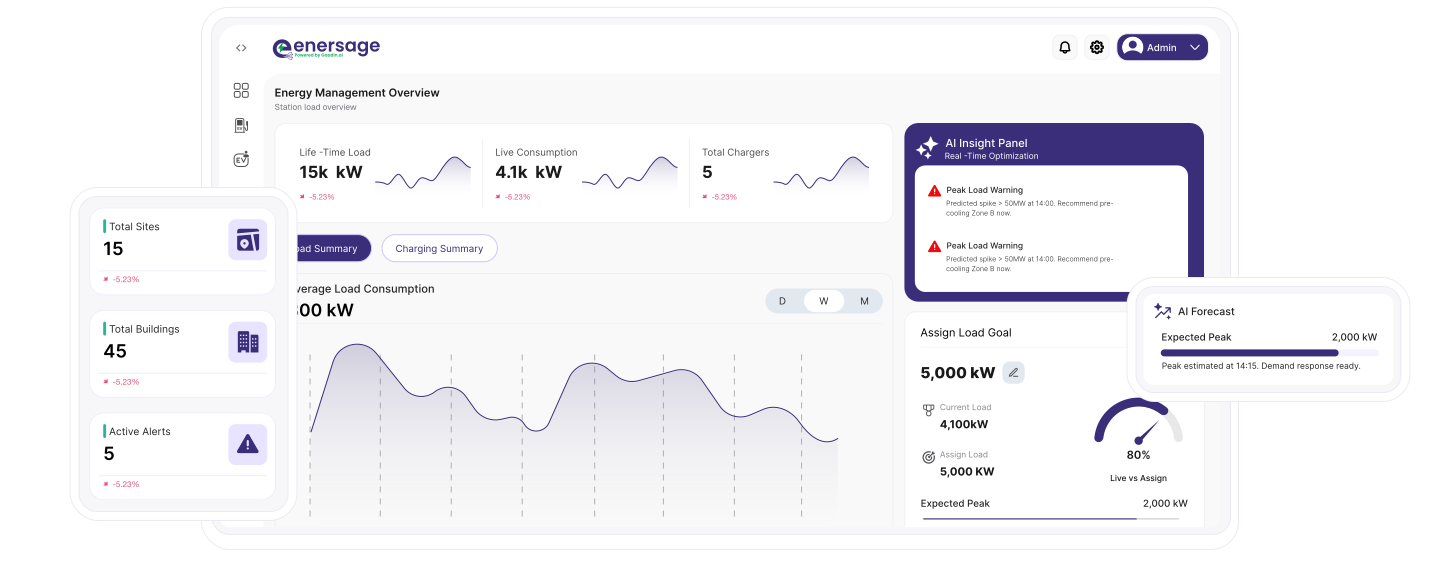
Most buildings were not designed for EV chargers. Gaadin AI helps facility and property teams monitor building energy, manage peak capacity and understand HVAC, solar, batteries and EV charging from one energy platform and app.
Built for buildings adding EV charging
For property and facility teams that need to understand building energy before adding more electrical load

Apartments & residential communities
Monitor common-area energy and prepare the site for EV charging.

Commercial offices
Manage building loads, HVAC and peak demand while adding workplace charging.

Malls & retail sites
Understand site capacity and coordinate energy-intensive loads.

Hospitals & hotels
Monitor critical building loads while planning additional electrical demand.

Facility managers
See the building's energy use, capacity and connected assets from one operational platform.

Property developers
Gaadin AI energy planning for property developers adding EV charging
Built for sites that were never designed for EV chargers
Measure the building first. Then use available capacity for EV charging
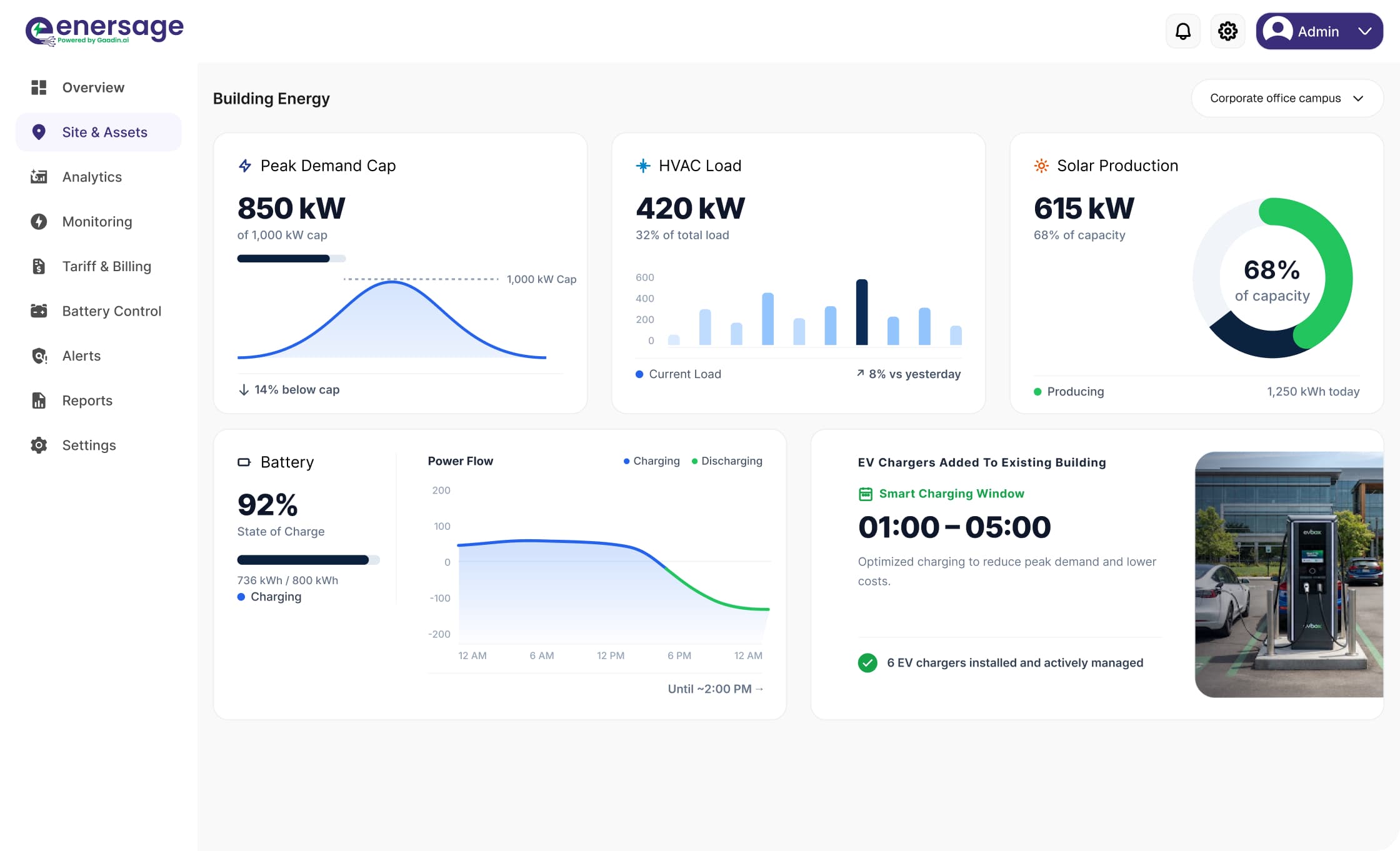
The incoming electrical supply was designed for the building not necessarily for dozens of EV chargers. HVAC, lifts, lighting and other loads already consume part of the site's capacity.
Adding chargers without understanding the building load can increase peak demand or put unnecessary pressure on the available supply.
Gaadin measures the building load, helps define the site's operating limit and allows EV charging to work within the available capacity.
One energy app for the building
See the building's energy use, capacity and connected assets from one operational screen.
Live building load vs capacity
HVAC and common loads
Solar production
Battery state of charge
Peak-cap alerts
EV charging load
Facility teams get one operational view of the building's energy and connected assets.
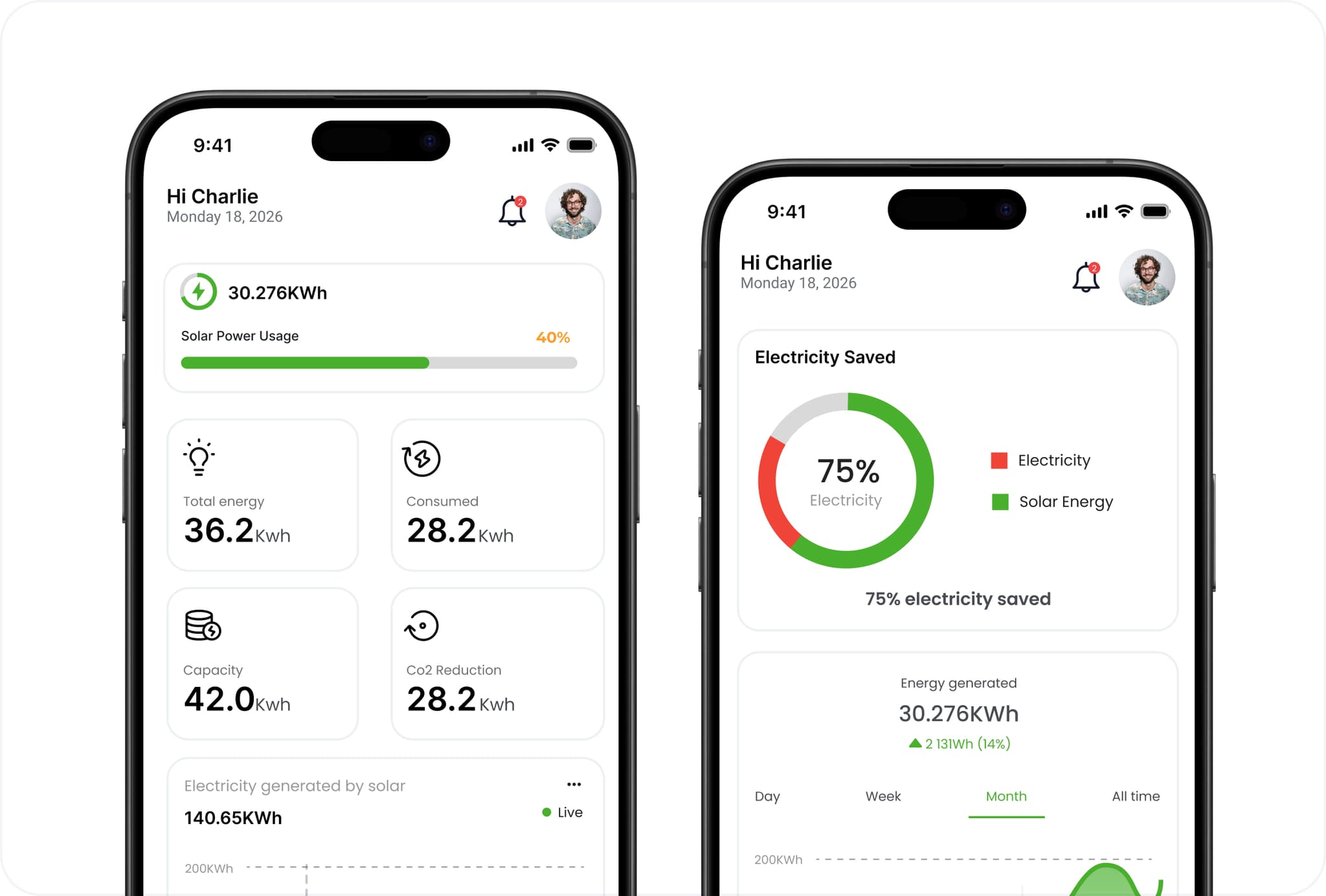
Smart charging lives in the energy app
Add EV chargers without creating another energy-management system
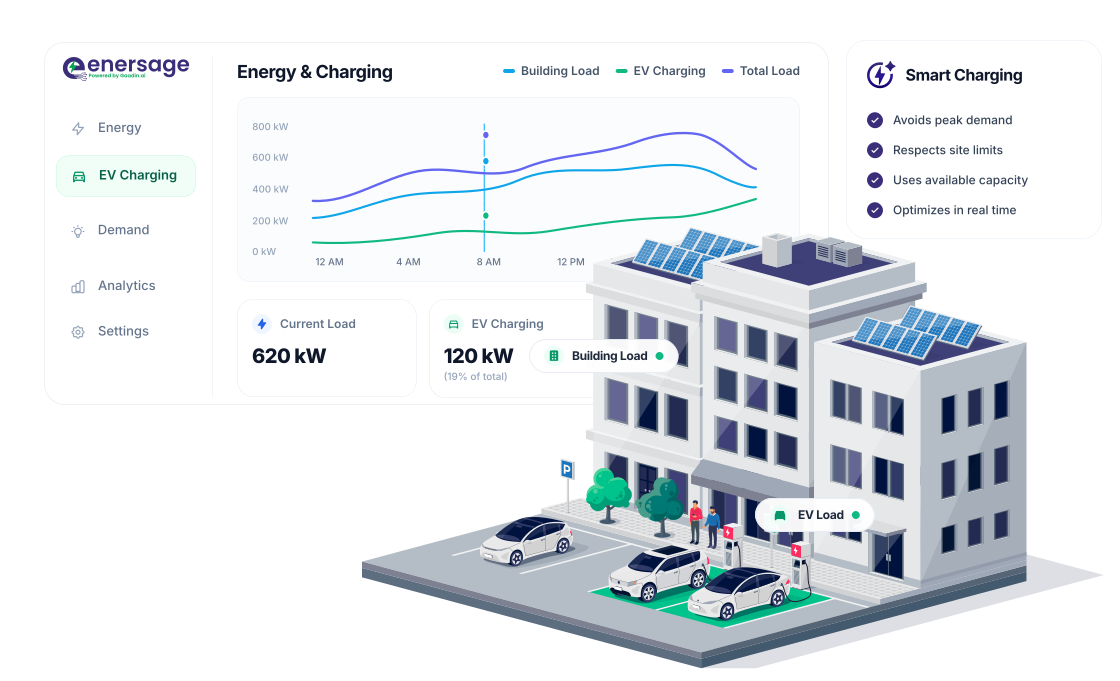
When the building adds EV chargers, they become another controllable load inside the same energy platform.
Gaadin can coordinate charging around building demand and available capacity, helping avoid unnecessary peak demand while keeping charging within the site's configured limits.
Start with the building. Add EV charging when you’re ready
Connect your existing energy infrastructure and build EV charging into the same operating model

Connect
Connect the building meter, BMS, solar system and battery where available

Set the limit
Define the site's operating or peak-power limit

See the loads
Monitor HVAC, common loads, solar, batteries and available capacity from the energy app

Add chargers
Connect EV chargers when you are ready. Smart charging works within the site's energy limits
Turn building energy data into better decisions
Use real-time energy data to understand loads, capacity and opportunities to optimise the site
Depending on the site's connected systems, the platform can provide :
Energy consumption insights
Load analysis
Peak-demand visibility
Energy-cost insights
Solar and battery visibility
Charging recommendations
Alerts around configured site limits
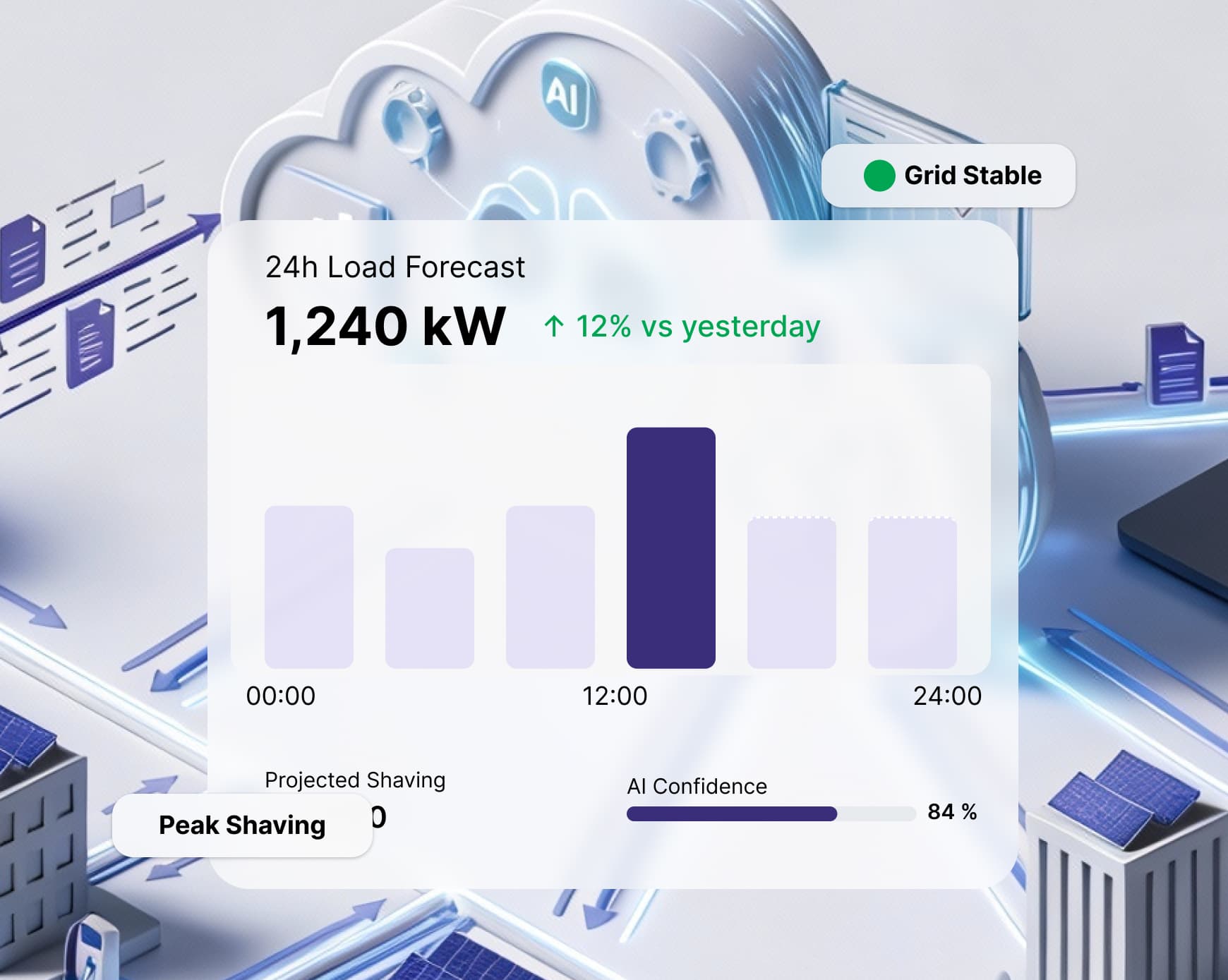
Gaadin AI brings energy data from the building and connected assets into one platform so facility teams can see what is happening and make better decisions around energy use.
Ask what your building can handle before you add chargers
Use AI to understand how additional EV charging could affect your site's available capacity
iCharz helps turn the energy data in the platform into practical answers
See what is using power before you add more load
Understand the relationship between building loads, available capacity and EV charging
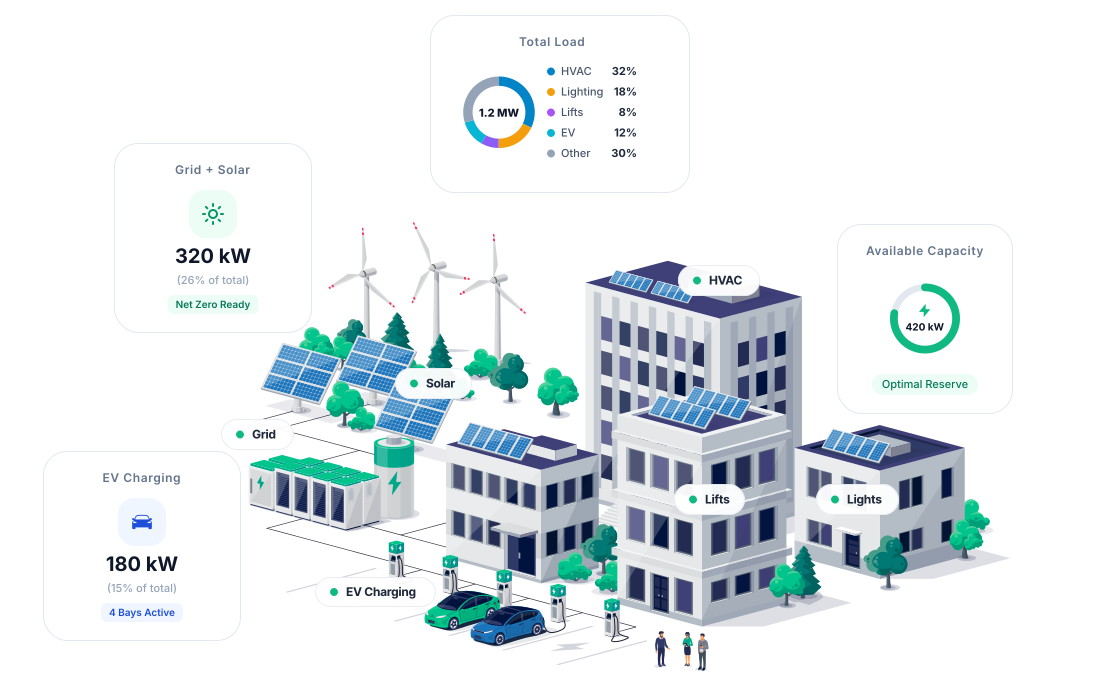
Gaadin gives facility teams a clearer view of where the site's power is going and where additional flexible load can fit.
Connect the energy systems you already have
Bring meters, BMS, solar, batteries and EV chargers into one energy platform
Gaadin is designed to work as the software layer across the site's connected energy infrastructure
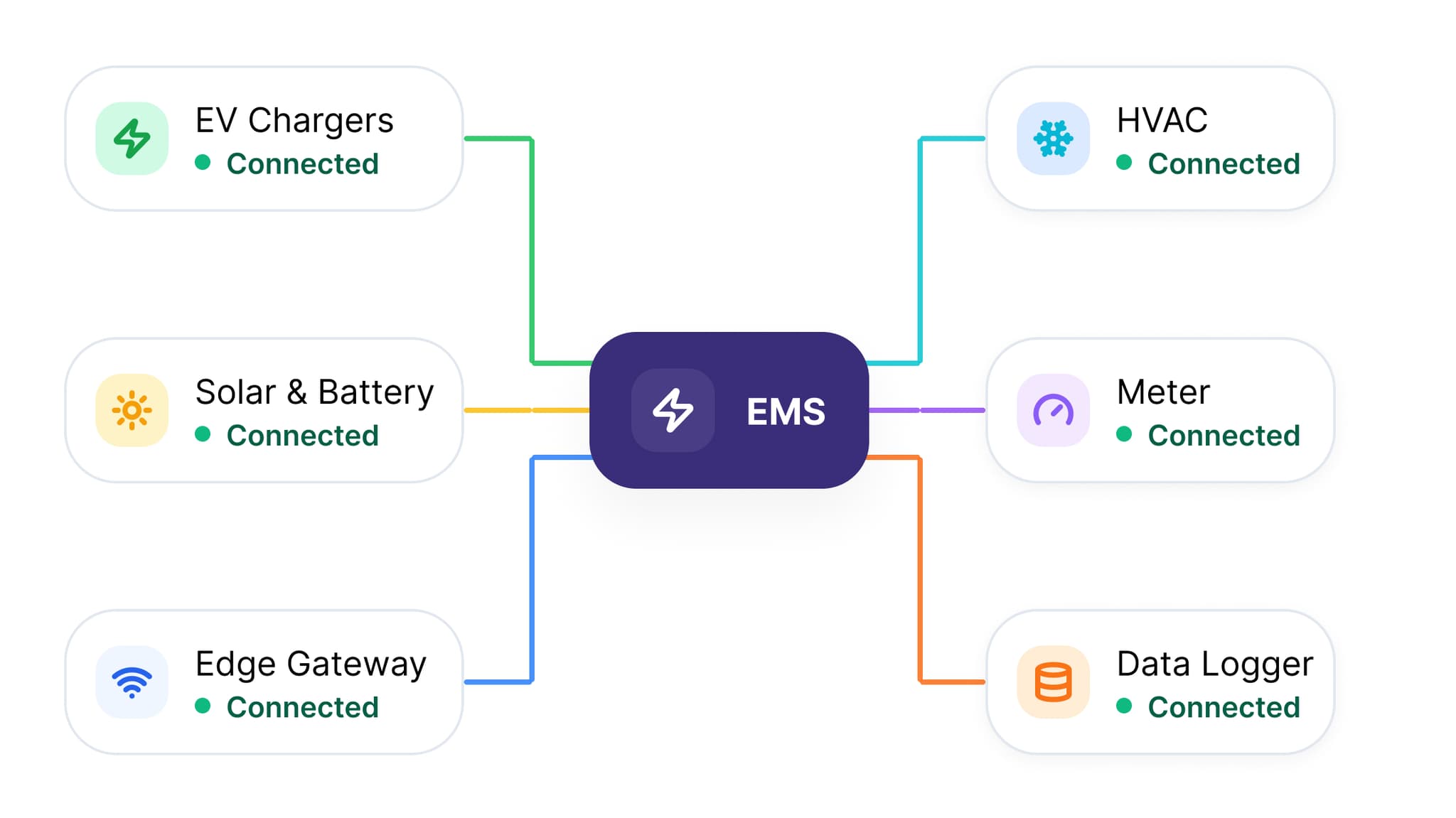
Built to manage real energy
Monitor the loads, capacity and energy flows that matter to your site
Live
Energy monitored
5+
Sites connected
Cap
Peak held to site limit
6.7+ GWh
Charging platform energy
Keep building energy data under control
Access control, monitoring and auditability for the systems managing your site's energy
Role-based access
User permissions
Data protection
Encryption
Audit logs
Controlled access to energy information
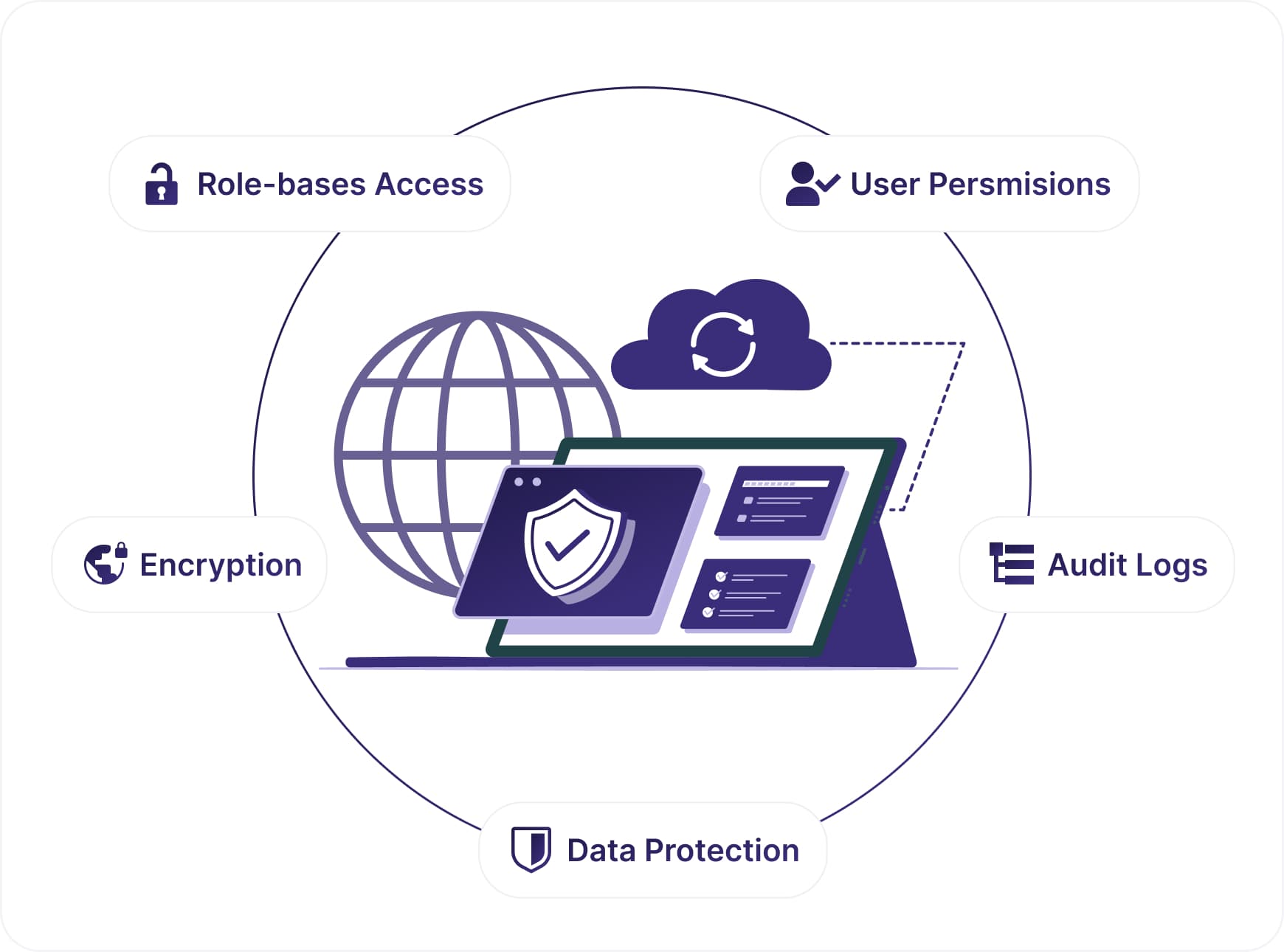
One energy platform, EV charging when you're ready
Frequently asked questions
An AI energy management platform helps buildings monitor energy use, understand loads and capacity, and make better decisions about connected energy assets such as HVAC, solar, batteries and EV chargers.
No. The platform can be used to monitor building energy before EV chargers are added.
Yes. EV charging can be added to the same energy platform when the site is ready.
Gaadin is designed to connect with existing energy infrastructure where compatible data interfaces are available. Specific integrations should be confirmed for each deployment.
Yes, where the required systems and data interfaces are supported.
The platform can provide visibility into connected building loads. Specific HVAC control capabilities depend on the site's integration and deployment.
Gaadin can provide visibility into site load and configured power limits and can coordinate supported controllable loads such as EV charging around those limits.
No.
The Energy Management Platform is designed around buildings, sites and energy infrastructure.
The EV Fleet Platform is designed around vehicles, fleet operations, charging and battery management.
That distinction is important for both prospects and search engines.

One AI platform for EV Fleets, Charging, Tracking, Energy and Battery Health